PRACTICAL HOME MINING GUIDE
How to Choose Your First Home Miner
Updated
Use this checklist alongside the detailed guidance below.
Quick answer
Choose a miner around your purpose, electricity tariff and room—not the biggest advertised hashrate. Compare the complete purchase price, operating mode, wall power and noise evidence together.
Decide what you want from mining
Learn the hardware
Prioritise approachable setup, documentation and a running cost you can afford as a hobby.
Try solo mining
Treat rewards as uncertain. Choose a device whose power, noise and purchase price remain acceptable without a payout.
Explore pool returns
Compare estimated receipts after fees against electricity and other expenses, then consider recovering the purchase price.
Choose in this order
- Set the room’s noise, heat and power limits.
- Choose the algorithm and payout approach.
- Compare compatible miners in the same operating mode.
- Price the complete setup and its ongoing electricity.
A learning project, a solo-mining hobby and a purchase made to pursue earnings have different requirements. A compact device can introduce you to hardware and pool configuration without being a realistic source of regular income. Write down an upfront budget and a monthly running-cost limit before comparing models.
For a shared office or living space, comfort matters. A device you must turn off during meetings will operate fewer hours than a calculator assuming continuous use.
Choose the algorithm first
| Hardware family | What to compare | Main home-use question |
|---|---|---|
| Bitcoin / SHA-256 | Hashrate and joules per terahash within SHA-256 | Does a tiny hobby miner meet your expectations about rewards? |
| Litecoin and Dogecoin / Scrypt | Hashrate and energy per unit of work within Scrypt | Can the room accommodate its power, fan noise and heat? |
Hashrate is work per second. MH/s, GH/s and TH/s use different scales, but you should not rank miners across different algorithms by the headline number. Check the exact model, hardware revision and firmware mode.
Compare power and performance in the same mode
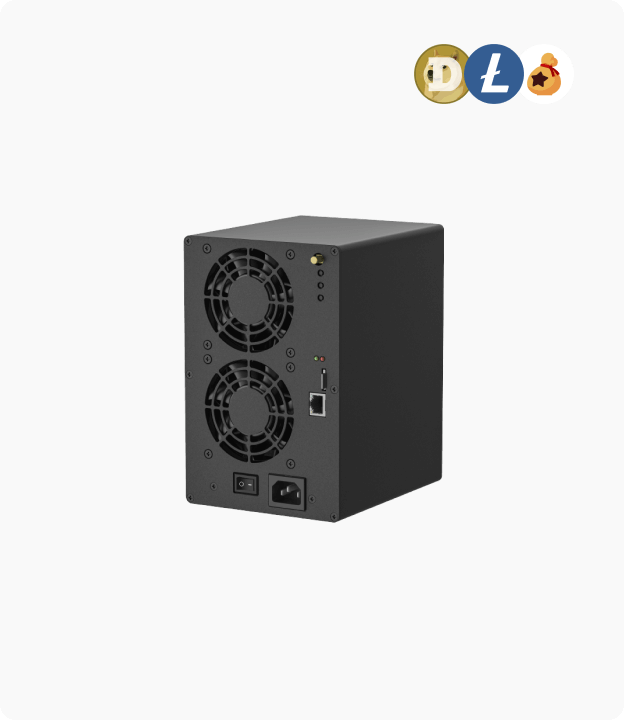
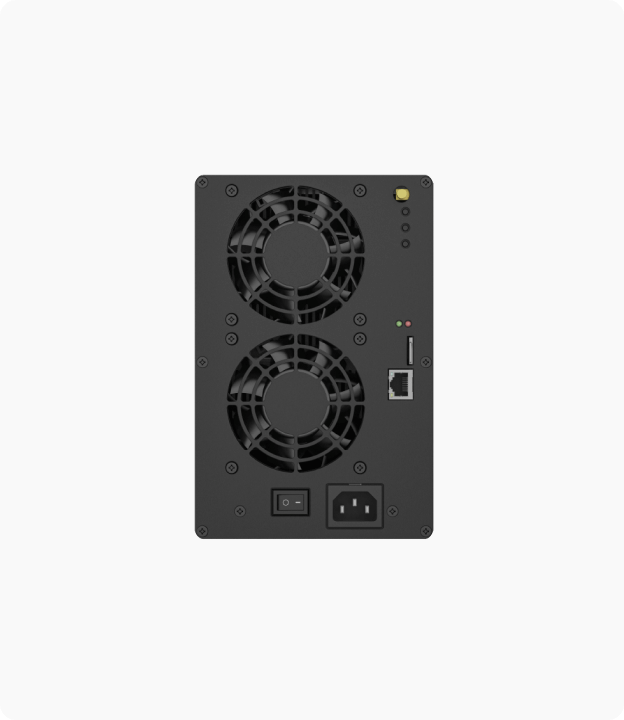
The MINI DOGE III PLUS specification assessment shows why comparing power and hashrate in the same operating mode matters.
Record a row for each operating mode. Do not pair low-power noise figures with maximum hashrate unless the source confirms they apply together. Where possible, use measured wall power; distinguish that from a manufacturer’s rating or board-only consumption.
A low-power mode may reduce both consumption and hashrate. Judge its electricity savings alongside the reduction in work, rather than assuming it gives the same earnings for less power.
Build a complete purchase budget
Work through electricity costs and hardware payback before deciding how much to spend on the miner itself.
| Cost | What to establish |
|---|---|
| Miner | Actual model, condition and dated price |
| Power supply | Included or separate; correct cables and electrical rating |
| Delivery | Shipping, import charges and seller region |
| Home setup | Shelf, network access and cooling accessories |
| After purchase | Electricity, pool fees and potential repairs |
Compare warranty, return policy, support contact and firmware availability. An apparently cheaper offer can be worse value if essential components or support are absent.
Check the room before ordering
Check room noise, heat and ventilation alongside socket, lead and continuous-use considerations.
Measure the available space, including clearance required by the manufacturer. Consider intake and exhaust directions, household use and whether warm exhaust can flow back into the intake. Check Wi-Fi or Ethernet requirements instead of assuming the device needs a connected computer.
Noise evidence should identify the model, operating mode and test distance. Owner feedback is useful for recurring issues, but an unqualified dB number cannot tell you how a device will sound beside your desk.
Make a shortlist you can explain
Shortlist two or three devices in the same category. Give each a reason to buy and a reason to avoid. A recommendation should match a particular home and purpose; it should not rely on commission rates or the seller’s earnings claims.
Before ordering, run your tariff through the electricity calculator, read the manufacturer’s setup instructions and verify the pool’s payout requirements.
Frequently asked questions
Should my first miner be the cheapest?
Choose the lowest complete cost that meets your purpose and home-use requirements. Missing supplies, unsuitable noise or limited support can outweigh the headline saving.
Can one ASIC mine Bitcoin and Dogecoin?
An ASIC is designed around an algorithm. SHA-256 and Scrypt hardware are separate choices; changing the pool does not change the chip’s algorithm.
Do I need a computer running all day?
That depends on the model. Some miners have onboard controllers. Confirm the specific device’s networking and setup requirements.
Sources and further reading
Research-based guide. No laboratory or noise measurements are claimed. Checked 4 October 2026.