MINER REVIEW
Goldshell MINI DOGE III PLUS Review: Power, Noise and Home Use
Updated
Use this checklist alongside the detailed guidance below.
Research assessment · Owner testing pending · Specifications checked 4 October 2026
Quick assessment
The MINI DOGE III PLUS is worth considering for a dedicated home-mining space where its electricity use and heat output fit the budget and room. The main decision is the operating mode: lower power reduces the electricity bill, while the default mode provides more hashrate.
This is a specification-based assessment. Wall-power readings, noise measurements, long-term reliability observations and the final owner verdict are pending.
Manufacturer figures, not our measurements. Hashrate and power carry ±5% tolerances. *The linked specification does not state the noise measurement distance or operating mode.
Consider it if…
- You want a compact Scrypt miner and understand pool selection.
- You have a ventilated room that can accommodate a continuous heat source.
- You can budget for electricity even when mining receipts change.
Think carefully if…
- You need a near-silent bedroom or shared living-room setup.
- Your room already overheats or has limited ventilation.
- You expect a fixed daily profit or guaranteed hardware payback.
Living with it: the home-use summary
| Test setting | Pending: room dimensions, ambient temperature and placement |
|---|---|
| Noise at 1 metre | Testing pending. Manufacturer claim is not a measurement at this distance. |
| Heat impact | Room-temperature rise not measured. Nominal power implies roughly 300–500 W of heat at the stated modes. |
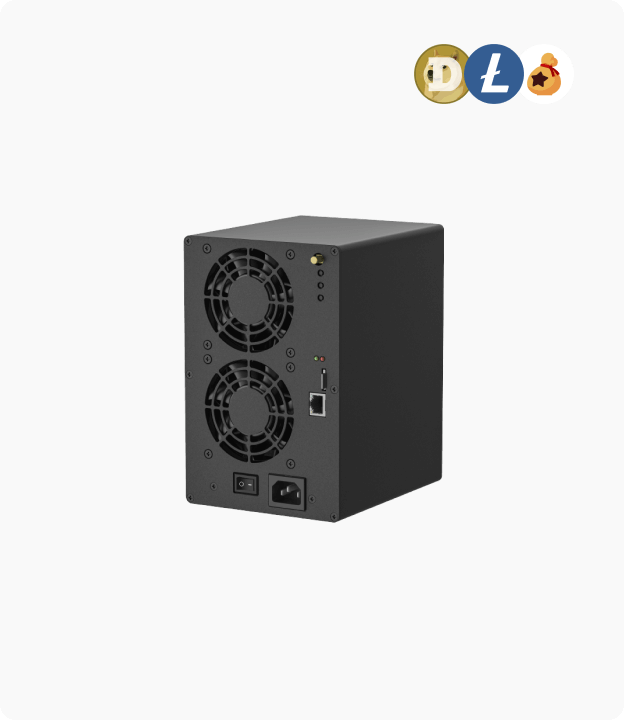
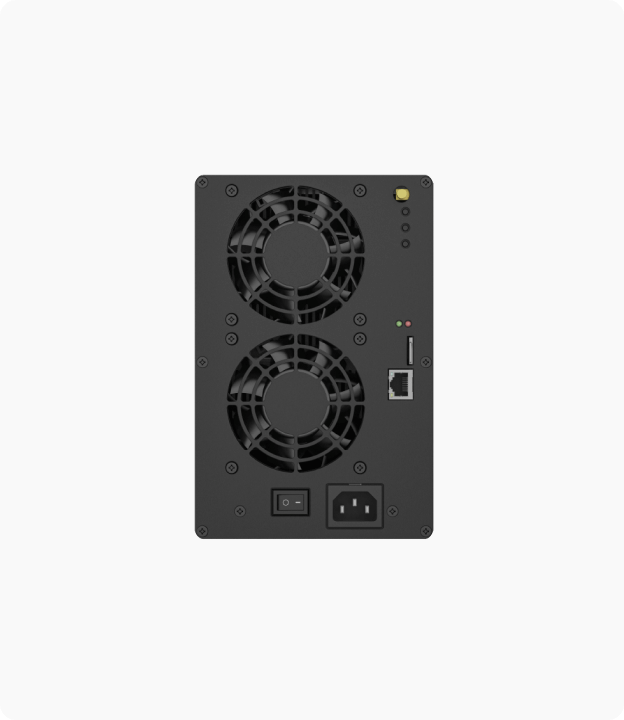
| Power connection | Confirm the supplied PSU, AC input label, mains lead and local socket suitability. |
| Ease of setup | Owner assessment pending; no rating assigned. |
Owner’s real-world notes
Awaiting dated observations, original setup photographs and readings. The completed notes will identify firmware, operating mode, observation period and measurement conditions.
What this miner is for
This is an ASIC for Scrypt mining. It belongs in a different comparison group from small SHA-256 Bitcoin devices such as Bitaxe: the hashrate numbers cannot be compared directly across the two algorithms.
For a buyer, the useful comparison is with other Scrypt hardware at the intended operating mode. Look at its total purchase cost, power demand, cooling requirements, pool support and the practicalities of keeping it running at home.
Manufacturer specifications
| Item | Published specification |
|---|---|
| Algorithm | Scrypt |
| Default mode | 810 MH/s ±5%; 500 W ±5% |
| Low-power mode | 620 MH/s ±5%; 300 W ±5% |
| Size / weight | 133 × 163 × 202 mm / 3.7 kg |
| Noise claim | ≤35 dB; test conditions unspecified |
| Connectivity | Wi-Fi advertised; verify the supplied unit and configuration |
Source: Goldshell’s product page. Confirm the exact model, power supply and included accessories before ordering.
Default mode or low-power mode?
Using the headline specifications, low-power mode reduces power by 40% while reducing hashrate by about 23.5%. That makes it the more energy-efficient of the two specified modes. This is a calculation from the specifications; it is not a measurement of this unit.
The practical trade-off depends on the electricity tariff and mining receipts. More hashrate can produce more accepted work, but the additional electricity may cost more than the additional mining revenue. Start with the mode that fits the room and budget, then compare actual results over a stated period.
Electricity costs: a worked example
Enter your own tariff and operating hours in the electricity and hardware-payback calculator; the figures below are examples rather than a prediction of returns.
At continuous 24-hour operation, 300 W uses 7.2 kWh per day and 500 W uses 12 kWh per day. Multiply that consumption by the household tariff. The table below uses example tariffs, not current market prices.
| Example tariff | 300 W: day / month | 500 W: day / month |
|---|---|---|
| £0.15/kWh | £1.08 / £32.40 | £1.80 / £54.00 |
| £0.25/kWh | £1.80 / £54.00 | £3.00 / £90.00 |
| £0.35/kWh | £2.52 / £75.60 | £4.20 / £126.00 |
At £0.25/kWh, moving from the specified 300 W to 500 W adds £1.20 a day, or £36 across a 30-day month. Additional receipts would need to cover that difference before the higher-power mode improves operating margin.
Use measured wall power for the final calculation. Meter readings capture the actual setup rather than relying on a nominal specification. Extra cooling equipment should also be included.
Noise and heat in a home
Use the noise, heat and ventilation guide to assess your room. Read how we label evidence before interpreting sourced noise figures as measured results.
A compact enclosure does not guarantee that a miner will suit a bedroom. Fan tone, changes in speed and how sound travels through the room all affect the experience. The manufacturer noise claim is a starting point; without its test conditions, it cannot establish how the unit will sound beside a desk.
Electrical power consumed by the miner ends up largely as heat in its surroundings. At these nominal operating points, plan for approximately 300–500 W of continuous heat, before accounting for any additional equipment. That may be useful in a cool room but uncomfortable in a warm office.
Keep the air path clear and observe the manufacturer’s operating limits. Room size alone cannot tell you whether cooling is adequate: airflow, outdoor conditions and other heat sources matter too.
Setup and everyday use
Plan the electrical supply and leads, then compare solo versus conventional pool mining before choosing the pool arrangement.
- Confirm the model and the correct supplied power arrangement. Follow the current manufacturer guide for that unit.
- Choose a stable location with clear airflow and access for cleaning.
- Connect using the supported network method and secure the device settings.
- Configure a compatible pool and check its fees, payout threshold and merged-mining support.
- Verify accepted work at the pool, then log power, hashrate and room conditions together.
Pool-reported hashrate can fluctuate over short windows. Compare measurements over a suitable period rather than treating a momentary dashboard number as sustained performance. Screenshots used in the finished review will have wallet, account and private network details removed.
Purchase cost, profit and payback
Record the complete landed purchase cost, including any required power equipment, shipping and import charges. A changing retailer price should be dated rather than presented as a permanent cost.
Operating margin = mining receipts after pool fees − electricity − other running costs. A positive operating margin does not mean the purchase has paid for itself. Hardware payback divides the initial spend by a positive daily margin, but that estimate changes when receipts, fees or tariffs change.
We do not present a fixed daily-profit claim for this specification-based assessment. Coin prices, network conditions and payout arrangements change, and a sourced specification cannot replace a dated revenue calculation.
Owner testing still to complete
| Check | Record with the result |
|---|---|
| Wall power | Meter, firmware, mode and observation period |
| Sustained hashrate | Device and pool averages, duration and rejected work |
| Noise | Distance, instrument, background sound, mode and room conditions |
| Temperature | Ambient conditions, placement and stock cooling configuration |
| Everyday ownership | Setup issues, downtime, cleaning and dated observations |
Any cooling modification will be assessed separately from the stock configuration. The finished review will add original photographs and distinguish observations from instrument readings.
Frequently asked questions
Can this miner mine Bitcoin directly?
No. Its Scrypt algorithm is different from Bitcoin’s SHA-256 algorithm. A pool paying out in Bitcoin would be a payout arrangement, not direct Bitcoin mining by this device.
Is low-power mode automatically more profitable?
No. It uses less electricity according to the specifications, but also provides less hashrate. Compare actual receipts and electricity costs at each mode.
Does the noise claim mean it is suitable for a bedroom?
Not by itself. Measurement conditions and the room matter. Our owner noise assessment is still pending.
Can the electricity-cost example predict earnings?
No. It calculates an expense. Revenue and hardware payback need separate, dated assumptions.
Assessment so far
The specified low-power mode provides a useful option for controlling electricity use and heat. The question for home buyers is whether the complete setup makes sense at their tariff and in their room. That is the focus of the owner testing still to come.
No numerical review score or final tested verdict is assigned yet. The completed assessment will weigh measured performance, noise, ownership experience and total cost.
Sources and evidence
- Goldshell MINI DOGE III PLUS — manufacturer specifications and product photograph, checked 4 October 2026.
- Goldshell support centre — consult the current model-specific instructions.
Electricity examples and mode comparisons are Home Miner Guide calculations using the stated specifications. This draft contains no independently measured product results.